
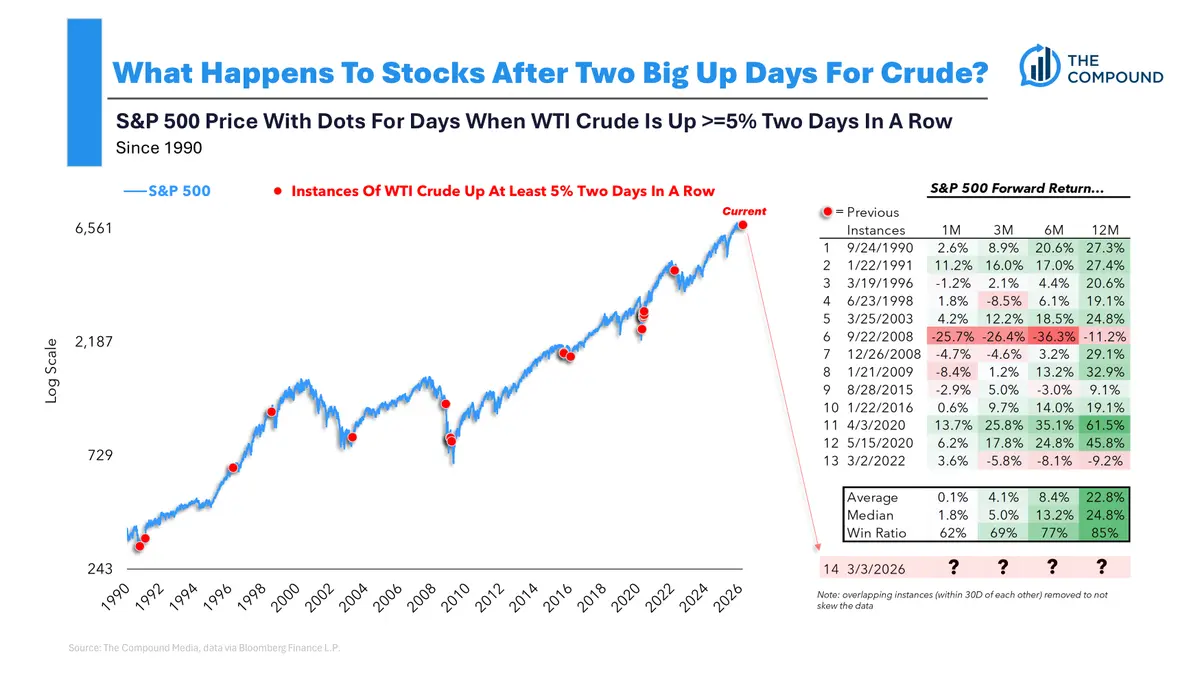

Oil prices are surging to levels not seen in months as tensions in the Middle East continue to escalate over the ongoing Iran conflict. Experts are warning that the situation could have a significant impact on the global economy and American consumers.
Oil Prices Spike On Iran Fears
Crude oil prices jumped sharply as markets reacted to the escalating rhetoric between the United States and Iran. The Strait of Hormuz, through which a significant portion of the world's oil supply passes, has become a focal point of concern. Any disruption to shipping through the strait could send prices even higher.
Gulf oil producers are reportedly considering what analysts have called the "nuclear option" of deploying their market influence to help end the conflict, a move that could have dramatic consequences for global energy markets.
RELATED: Pete Hegseth Promises Most Intense Day Of Strikes Against Iran
What This Means For Consumers
Higher oil prices translate directly to higher gas prices at the pump. Americans are already feeling the pinch from rising costs across the board, and a sustained increase in oil prices could add significant pressure to household budgets.
Economists warn that if the conflict continues to escalate, gas prices could reach levels that would slow consumer spending and potentially tip the economy toward a downturn.
RELATED: Trump Tariffs Set To Rock The Economy As April Deadline Looms
Markets Watch Closely
Wall Street is on edge. The combination of rising oil prices, upcoming tariffs, and geopolitical uncertainty has created a volatile environment for investors. The stock market has been swinging wildly in response to each new development in the Iran situation.
The coming days will be critical in determining whether diplomatic efforts can de-escalate the situation or if the conflict will continue to drive prices higher. For now, consumers should brace for impact at the gas pump.





Comments