
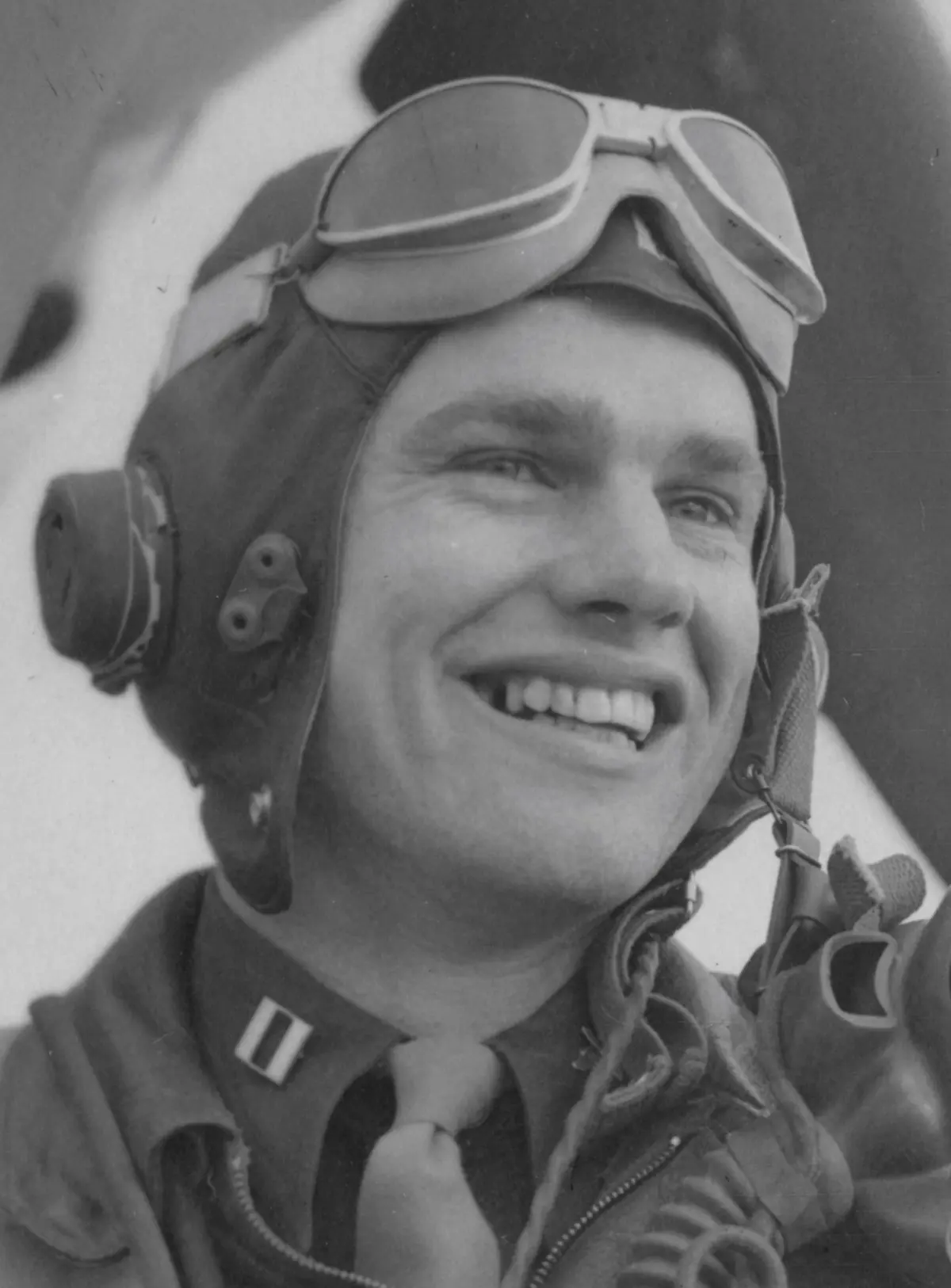

The world has lost a true American hero. Bud Anderson, the last surviving World War II triple ace fighter pilot, has passed away at the age of 104. His death marks the end of an era in military aviation history.
Bud Anderson Legacy Of Service
Clarence "Bud" Anderson was credited with shooting down 16.25 enemy aircraft during World War II, earning him the rare distinction of triple ace status. He flew the iconic P-51 Mustang and was known for his exceptional skill and bravery in the skies over Europe.
Anderson served with distinction throughout the war and continued his military career afterward, eventually retiring as a Colonel. His service spanned some of the most critical moments in American military history.
Tributes Pour In For American Hero
Military officials, veterans organizations, and everyday Americans paid tribute to Anderson following the news of his passing. "Bud Anderson represented the very best of the Greatest Generation. His courage and service will never be forgotten," one tribute read.
At 104 years old, Anderson had lived a life that spanned the entirety of modern American history. He witnessed the transformation of aviation from its early days to the space age, and his firsthand accounts of aerial combat provided invaluable historical perspective.
Remembering The Greatest Generation
Anderson's passing is a reminder of the rapidly dwindling number of World War II veterans still alive today. The men and women who served during that conflict shaped the world we live in, and each loss diminishes a living connection to one of history's most defining chapters.
Bud Anderson lived 104 years of purpose, courage, and service. His legacy will endure long after his passing. Rest in peace to a true American legend.





Comments