
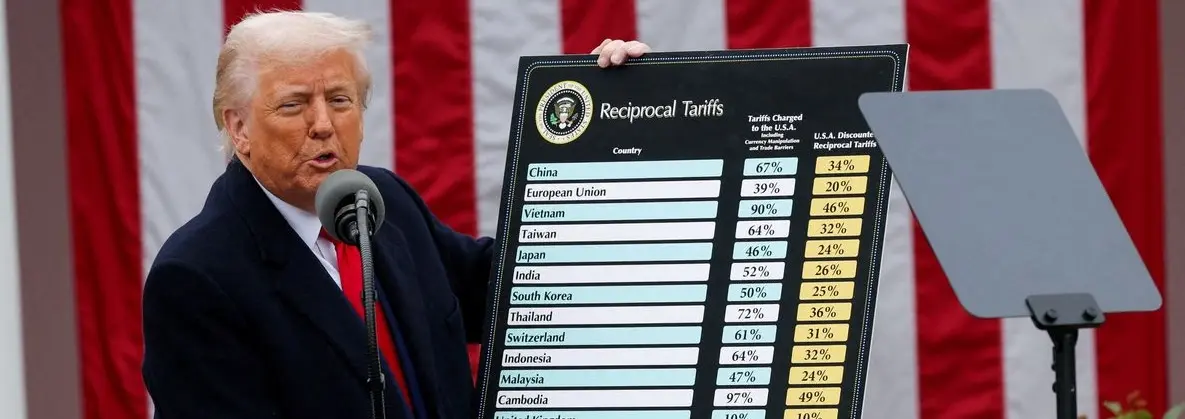

Donald Trump's sweeping new tariff plan is set to take effect in April, and economists across the board are sounding the alarm about the potential economic fallout that could hit American consumers and businesses hard.
Trump Tariffs April Deadline Explained
The tariffs, which target imports from multiple countries including a reported 26% tariff on goods from India, are part of Trump's broader trade strategy. The administration has argued that the tariffs will protect American jobs and reduce the trade deficit, but critics say the costs will ultimately be passed on to consumers.
Major industries including technology, automotive, and retail are bracing for impact. Companies have already begun adjusting their supply chains and pricing strategies in anticipation of the new duties.
Economists Warn Of Price Increases
Multiple economic analysts have warned that the tariffs could lead to significant price increases on everyday goods. Everything from electronics to clothing to groceries could see price hikes as importers pass the additional costs along to retailers and ultimately to shoppers.
"These tariffs are essentially a tax on American consumers," one economist stated. "The math is simple. Higher import costs mean higher prices at the register."
Public Reaction To Trump Trade Policy
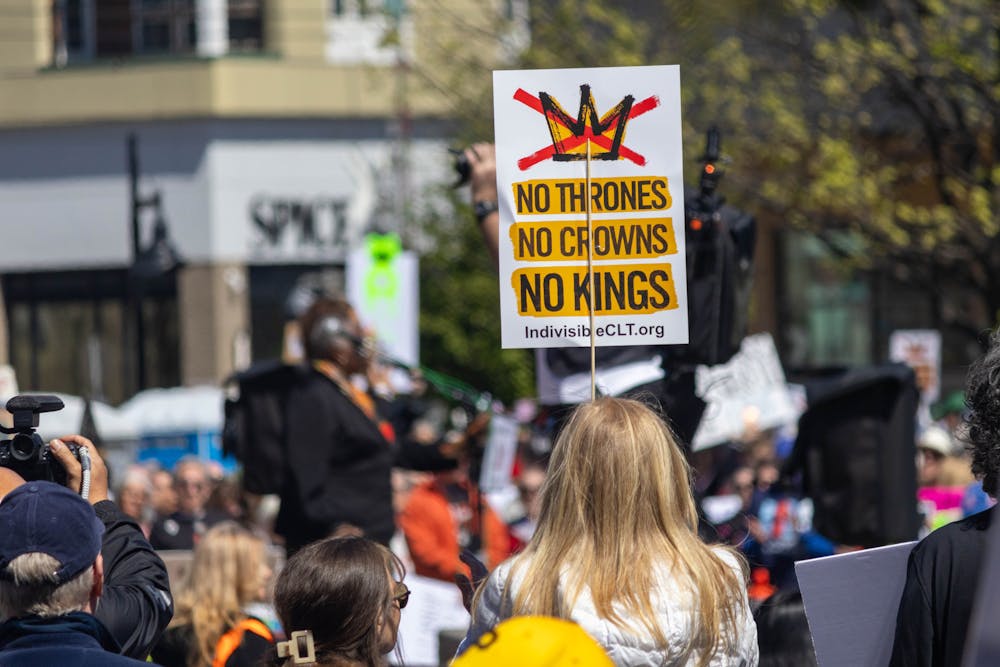
The tariff plan has divided the public along familiar lines. Supporters argue that short term pain is worth the long term goal of bringing manufacturing back to America. Critics counter that the tariffs will hurt working families the most while doing little to change the fundamental dynamics of global trade.
With the April deadline approaching rapidly, all eyes are on whether the administration will follow through with the full scope of the tariff plan or if last minute negotiations could soften the blow. Either way, the economic impact is expected to be felt almost immediately.



Comments