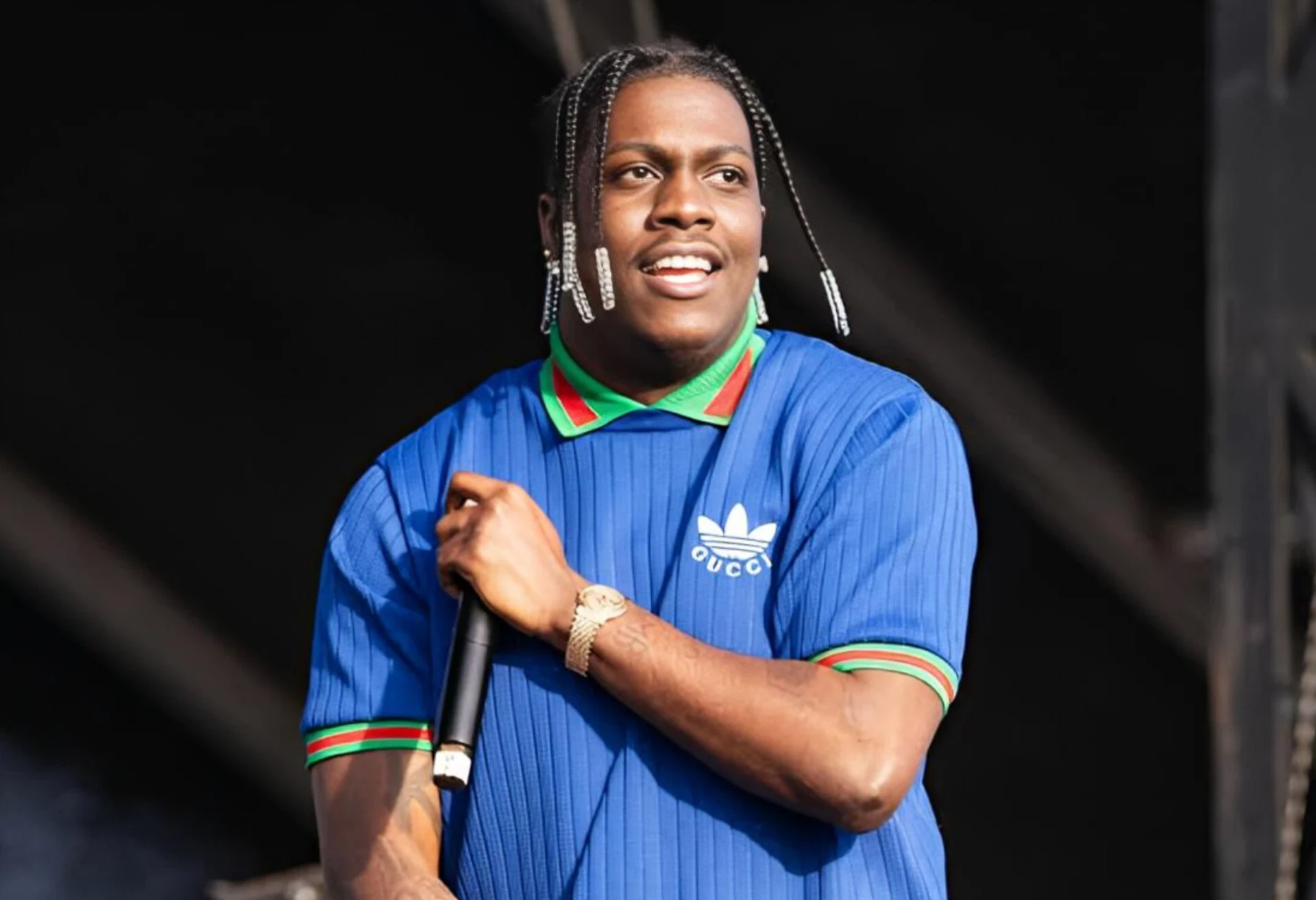

Lil Yachty took to social media this week to express frustration over what he believes is suppressed reach on his posts, suggesting he may be shadow banned. But in a moment of unusual vulnerability for the rapper, he also floated the alternative explanation: that people might simply not be interested in what he is putting out.
The comments resonated with fans and fellow artists because they touch on a reality that most creators face but rarely acknowledge publicly. The line between algorithmic suppression and declining audience interest is often impossible for artists to identify from the inside.
What He Said
Yachty posted a series of messages noting that his engagement numbers have dropped significantly compared to posts with similar content from earlier periods. He pointed to specific examples where posts he expected to perform well received a fraction of the impressions his account typically generates.
Lil Yachty wrote that he cannot tell if something is wrong with the algorithm or if he needs to accept that the conversation has moved on. He said either answer is fine but he would rather know which one it is.
The honesty of the statement stood out in a culture where most artists blame platforms exclusively for declining metrics rather than entertaining the possibility that audience interest has shifted. Yachty's willingness to consider both explanations publicly drew praise from fans who appreciated the self-awareness.
The Shadow Ban Conversation
Shadow banning, where platforms reduce a user's visibility without notification, has been a persistent concern for creators across all social media platforms. Artists including Nicki Minaj, Kanye West, and Boosie have all accused platforms of suppressing their content at various points, though platforms generally deny targeting specific users.
For hip-hop artists specifically, content that contains explicit language, drug references, or controversial statements can trigger algorithmic demotion even without a formal policy action. The challenge is distinguishing between this automated content moderation and genuine audience decline.
Lil Yachty has released multiple projects in recent years to varying commercial reception. His experimental album Lets Start Here marked a creative left turn that earned critical respect but did not generate the streaming numbers of his earlier trap-focused work. The question of whether artistic evolution costs an audience is one that many artists face but few discuss this openly.
A Broader Industry Reality
The attention economy in hip-hop moves faster than almost any other genre. Artists who dominated conversations two years ago can find themselves struggling for visibility as audiences shift to newer voices. This is not unique to Yachty, but his willingness to name it publicly creates space for a conversation that usually happens only in private.
Whether the issue is algorithmic or organic, the solution for most artists remains the same: create something that demands attention regardless of platform mechanics. Yachty's track record suggests he is capable of that reset, and his awareness of the problem is arguably the first step toward addressing it.