


The clip outran the broadcast a long time ago. A reality show can air a full season, but it is the ten-second moment that escapes to social media that actually drives the culture. That shift says a lot about how everybody watches television now, and reality TV sits right at the center of it.
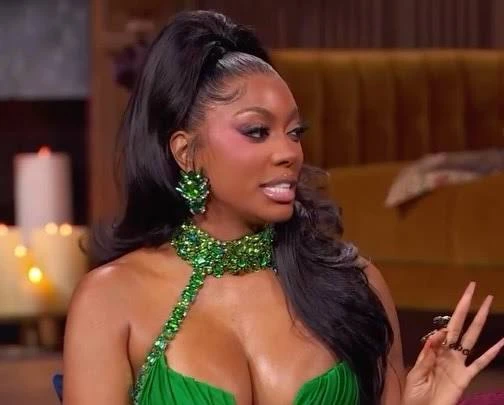
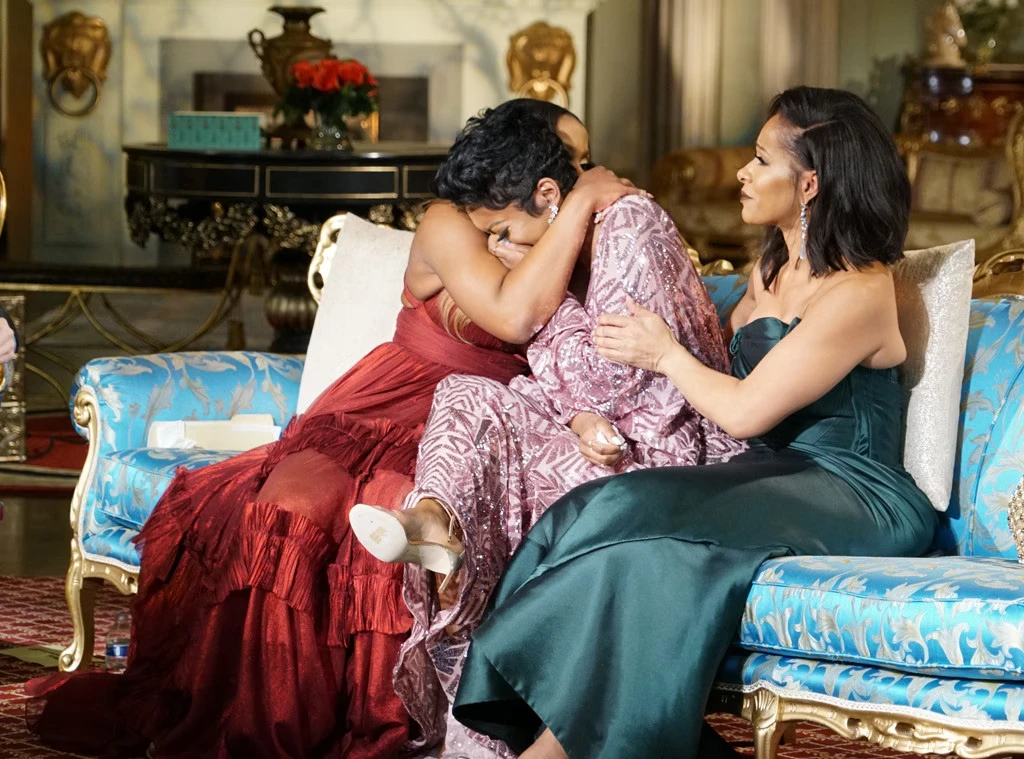
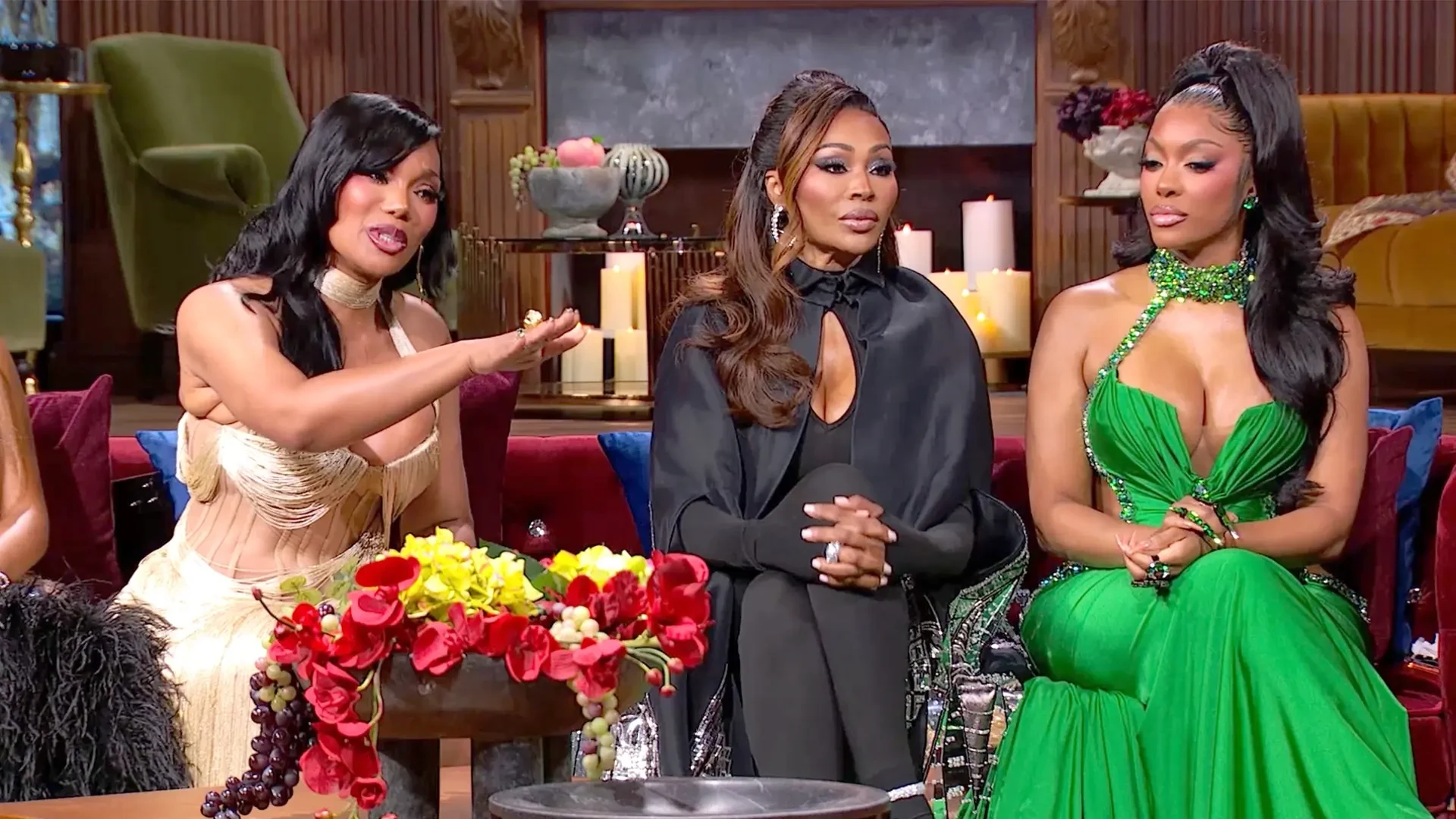
Networks still make full episodes, but the real currency is the viral moment. One heated exchange, one reaction face, one perfectly timed read, and the internet does the rest. People who never watch the show can quote the moment by the next morning.
That means the drama is not a side effect of reality TV anymore. For a lot of viewers, it is the entire point, and the full episode is almost optional.

Why Black Audiences Lead the Conversation
Black audiences have long been the engine of reality TV conversation online. The commentary, the memes, the group-chat breakdowns, that is where a moment gets its second life and its real cultural weight. A scene is not truly viral until the culture decides it is.
That influence is real power. It shapes which personalities get booked, which story lines get pushed, and which clips networks clip themselves to chase the next wave of attention.
The Personalities Became the Franchise
Something else shifted along the way. The breakout personalities often outgrow the shows that introduced them. A standout cast member can build a podcast, a brand, and a following that dwarfs the program, and the network ends up orbiting the star instead of the other way around.
That flips the old power structure. The people once hired as talent now carry leverage of their own, and the smartest ones use reality TV as a launchpad rather than a destination.
What It Says About All of Us
The bigger truth is about attention. We watch in fragments now, and the content that wins is built for the fragment. Reality TV adapted to that faster than almost any other format, which is why its moments keep outrunning scripted prestige shows in the daily conversation.
None of that is going away. As long as a single clip can define a week, reality TV will keep generating the moments that move the culture. The format has quietly become one of the most reliable engines of conversation we have, and it shows no sign of slowing down.
The challenge for everyone covering it is to add value instead of just amplifying noise. A moment deserves context, history, and a reason it matters, not just another repost. TTL will keep covering the ones that move the needle, with the full picture, so readers get more than a clip and a caption.


