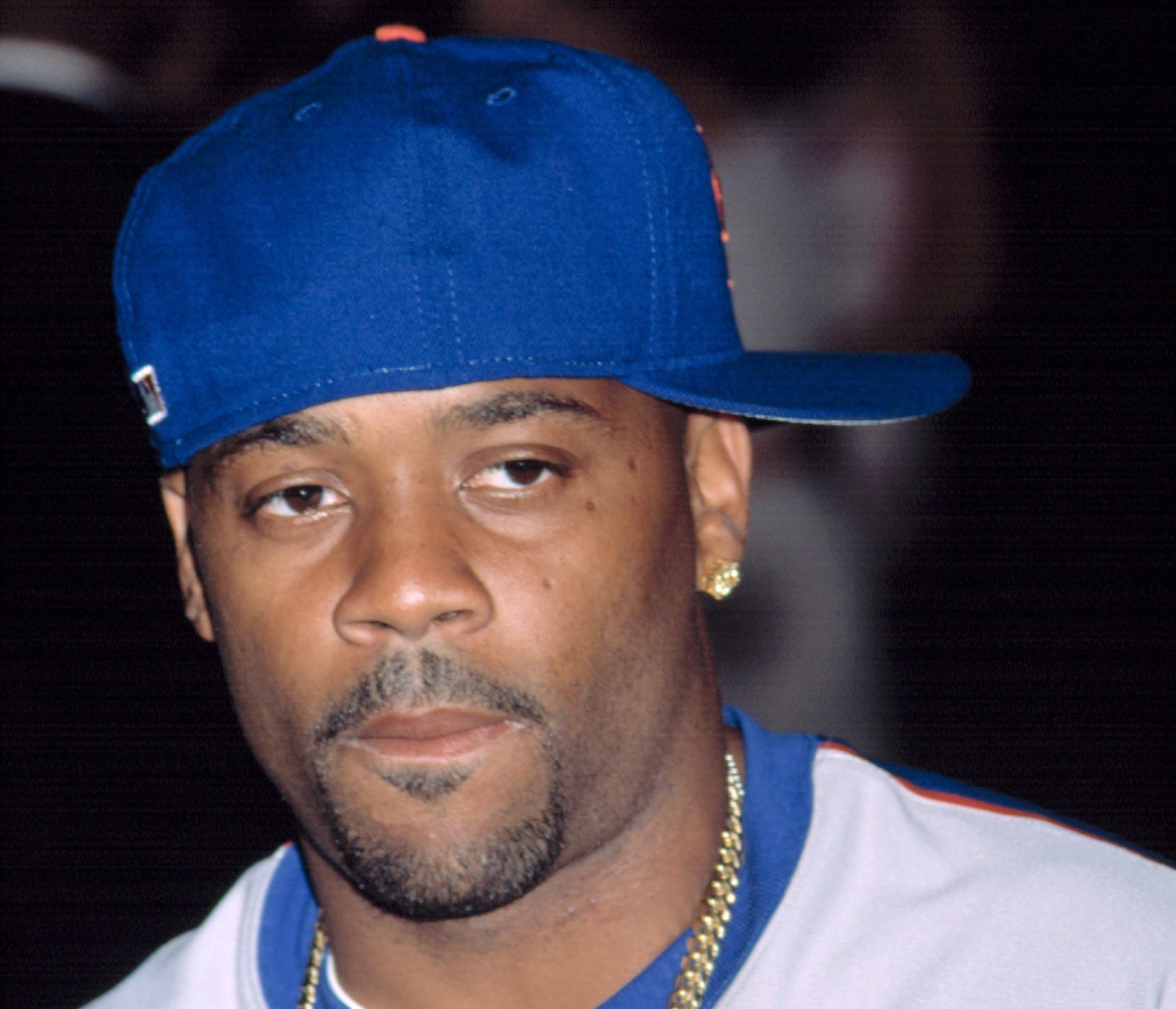

In a move that has sent shockwaves through the music and entertainment world, Damon Dash, the once powerful co-founder of Roc-A-Fella Records, has filed for Chapter 7 bankruptcy. The court filings, which surfaced in September 2025, reveal an astonishingly low figure of $4,350 in assets against a staggering $25 million in liabilities. For those who remember the glory days of Roc-A-Fella, this is a jaw-dropping fall from grace.
Miami, FL; just a couple of decades ago, Dash was the embodiment of hip-hop opulence and success. He was a master at orchestrating the careers of megastars like Jay-Z and Kanye West. Fast cars, luxury homes, and high-profile parties were all part of the Dash experience. But as the music echoed through the corridors of time, reality struck, and Dash's financial empire began to crumble.
Inside the Bankruptcy Filing
The intricacies of Dash's bankruptcy filing, presented in a Florida federal court, paint a dire picture. Dash claims to have no current income and his listed assets are meager at best, consisting of a scant amount of cash, some personal belongings, and interests in several business ventures that he asserts are unprofitable. It’s a stark contrast to the multi-million-dollar empire he once commanded.
His debts, however, are a different story. The figures are astronomical:
- Back child support payments reportedly exceeding $500,000.
- Legal judgments and attorney fees from an array of ongoing lawsuits.
- Outstanding business loans and tax liabilities that have snowballed over time.
- Debts owed to former partners and ex-employees, particularly from his ambitious but financially disastrous Poppington brand and various film projects.
Court documents indicate that Dash is seeking a full discharge of his debts. However, with creditors gearing up for a legal showdown, this could become a drawn-out battle.
From Hip-Hop Royalty to Financial Ruin
The late 1990s and early 2000s were golden years for Damon Dash. As a co-founder of Roc-A-Fella Records, he played a pivotal role in shaping the music landscape and launched albums that have become hip-hop classics. Roc-A-Fella was not just a record label; it was a cultural phenomenon, expanding into fashion with Rocawear, venturing into film, and even dabbling in luxury goods.
However, everything changed after a highly publicized falling out with Jay-Z. When Roc-A-Fella was sold to Def Jam, the once unbreakable partnership disintegrated, and Dash's financial trajectory took a nosedive. The subsequent years were marred by failed investments, a slew of legal challenges, and accusations of financial mismanagement that eroded his once vast fortune.
The lavish lifestyle that Dash maintained, characterized by sports cars, extensive art collections, and opulent estates, became unsustainable. Within the tight-knit circles of the hip-hop community, Dash’s lifestyle was both admired and critiqued, seen as the quintessential rise and fall narrative.
Public Response and Legal Backlash
In the wake of the bankruptcy filing, Dash took to social media platforms to address the situation, insisting that this was a strategic financial move. “It’s not that I’m broke, I’m restructuring. People love to talk when they don’t know the facts,” Dash asserted in a post aimed at quelling rumors.
“It’s not that I’m broke, I’m restructuring. People love to talk when they don’t know the facts,” Dash reportedly told followers.
However, financial experts and legal analysts are skeptical. They point out that Chapter 7 bankruptcy typically involves the liquidation of assets rather than a restructuring of financial affairs, suggesting that Dash's situation may be more dire than he admits.
Adding to his woes, some creditors are actively opposing his bankruptcy discharge, alleging that Dash may have concealed or undervalued certain business interests. These objections could lead to a deeper investigation into his financial dealings, potentially unearthing more about his fiscal missteps.
Damon Dash: A Cautionary Tale
Despite the turbulent financial landscape, Dash remains a force in the entertainment industry. He continues to work on independent film projects, helming his own production company, and promoting various creative endeavors. But the bankruptcy is undeniably a significant turning point, casting a long shadow over his career.
Once considered a paradigm of hip-hop entrepreneurship, Dash's saga serves as a cautionary tale about the volatile intersection of fame, fortune, and personal ambition. It underscores how quickly the trappings of success can unravel, especially in an industry that often values immediate gratification over long-term stability.
As the legal proceedings unfold, both fans and critics alike will be watching closely. The narrative of Damon Dash is far from over, but it stands as a solemn reminder of how quickly the tides can turn in the world of celebrity and business.