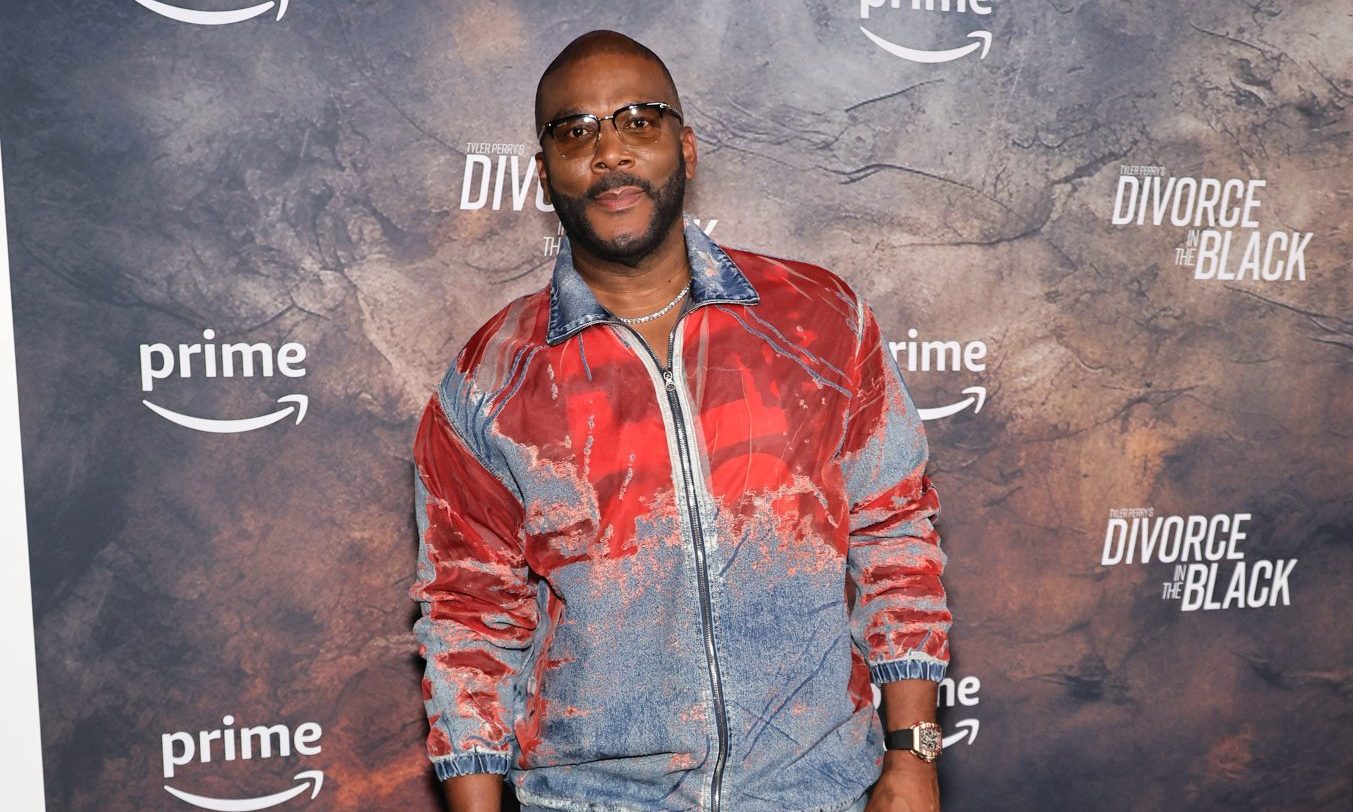

Filmmaker Tyler Perry did not hold back when he addressed critics of his work during an appearance on Keke Palmer's podcast Baby, This Is Keke in July 2024. The 54 year old writer, director, and producer dismissed the people who look down on his films, saying he does not care what "highbrow negroes" think about his storytelling. The comments came as his latest film Divorce in the Black was being panned by critics, earning a rare 0 percent on Rotten Tomatoes according to multiple reports.
Perry told Palmer that he has learned to drown out the negativity and that anyone who lets criticism talk them out of a place that God has put them in will find themselves in hell. Palmer reacted with visible surprise at his directness, exhaling slowly as Perry laid out his position without apology.
The Case for His Audience
Perry argued that for every critic, there are thousands of fans who feel seen by his work. He said he receives emails from people who tell him they feel like he knows their family and their story. He pointed out that many of his fans cannot afford therapy but can afford to see one of his films, and that his movies serve as a form of healing for people who are dealing with real trauma. That connection with his audience, Perry said, matters more to him than any review score.
The filmmaker also drew a line between the critics and the communities he represents. He said there are people whose mothers were caregivers for white families, who worked as maids, housekeepers, and beauticians, and that those people deserve to have their stories told on screen. He challenged anyone who would dismiss those narratives, asking who they think they are to decide which Black stories are important.
The Backlash to the Backlash
The "highbrow negroes" comment itself generated its own wave of criticism. Some people pushed back on Perry's framing, pointing out that he is a billionaire and that calling his critics "highbrow" while positioning himself as a voice of the people felt contradictory. Writer Claudia Mitchum responded on X, noting that writing and producing a film where a Black woman from a small town acquires HIV and ends up physically disabled is not necessarily the groundbreaking Black story that audiences need. Others argued that wanting better quality filmmaking is not the same as being elitist.
But Perry's supporters rallied behind him, arguing that his track record speaks for itself. He has built a media empire from the ground up, owns one of the largest production studios in the country, and has created consistent employment opportunities for Black actors and crew members in an industry that has historically underserved them.
Perry's Legacy in the Debate
The conversation around Tyler Perry's films is not new, but the Keke Palmer interview brought it back to the forefront in a way that dominated social media for days. Perry has always been polarizing. His supporters see him as a champion of everyday Black stories, while his critics argue that his films rely on harmful stereotypes and formulaic plots. What is undeniable is that Perry continues to produce content at a pace that few filmmakers can match, and his audience continues to show up for it regardless of what the critics say.