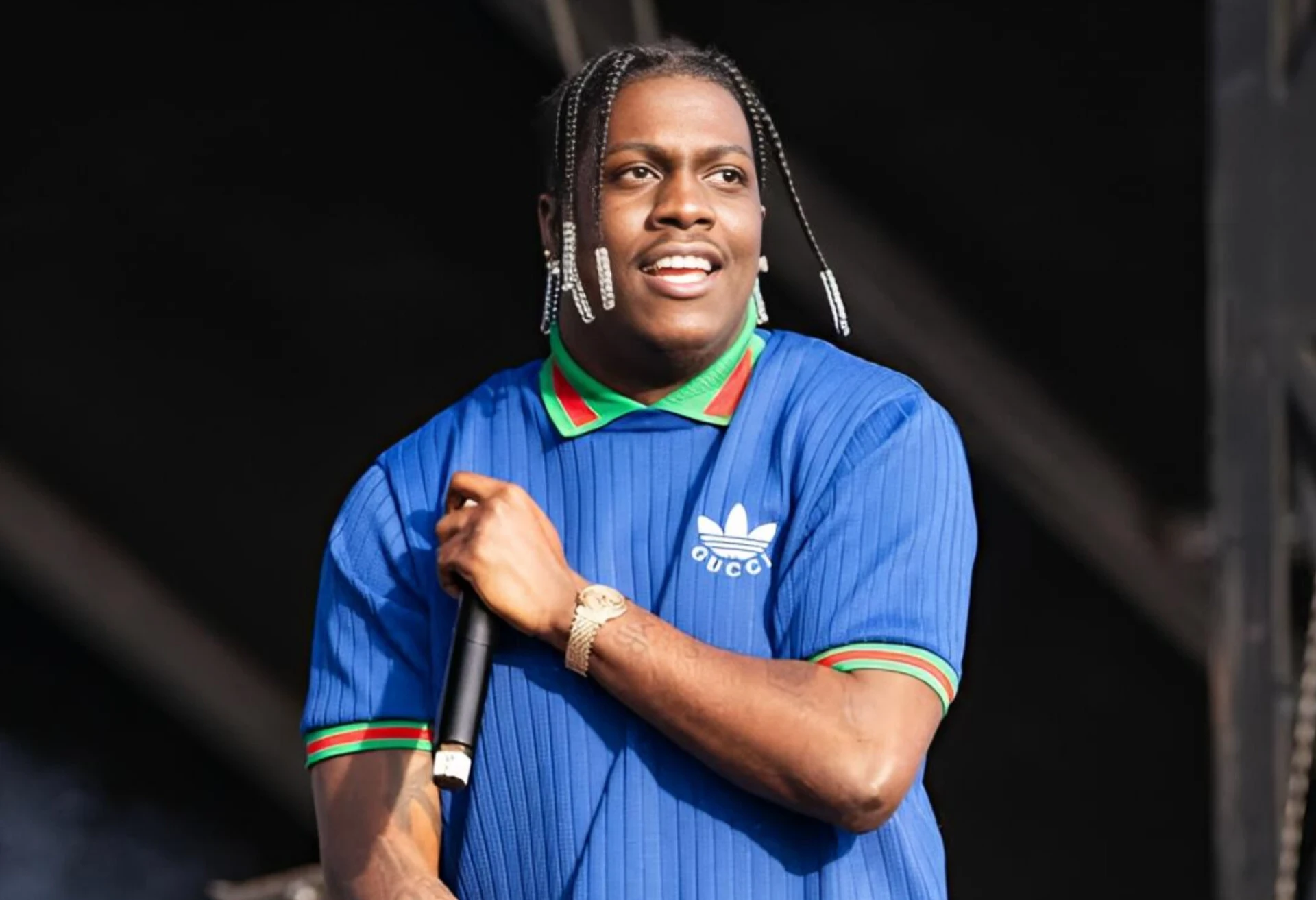
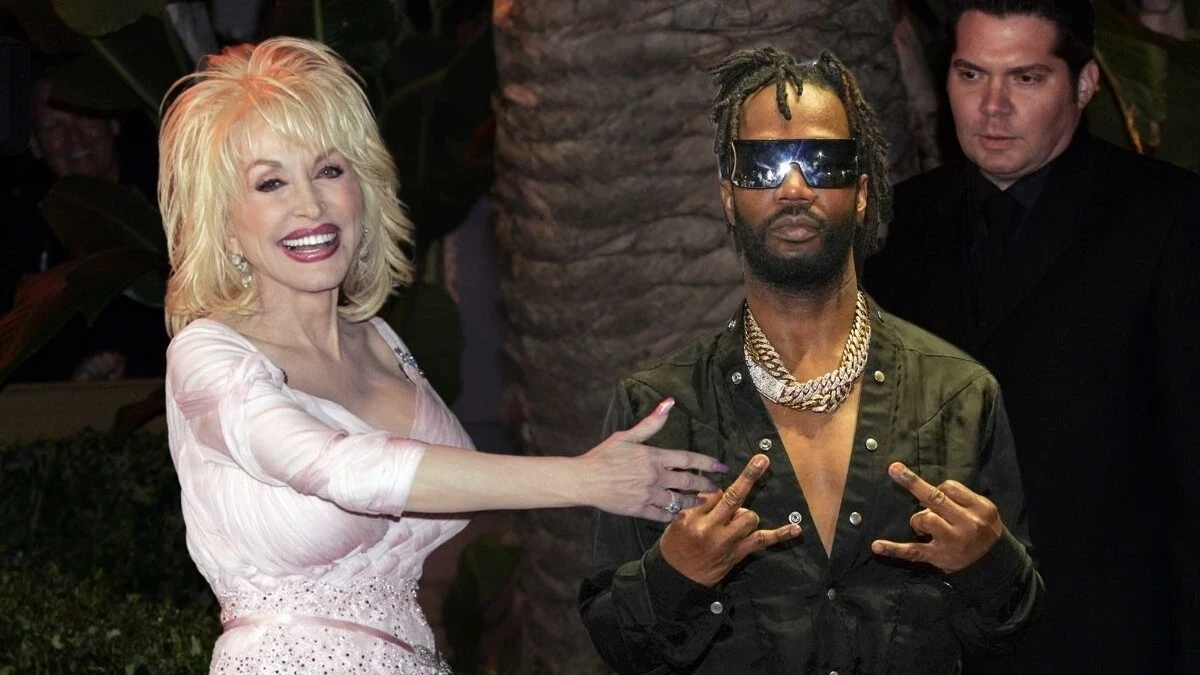

Juicy J has revealed a letter Dolly Parton sent after Three 6 Mafia beat her for an Oscar, sharing a piece of history from one of the most surprising moments in Academy Awards history.
The revelation revisits the 2006 ceremony when Three 6 Mafia won Best Original Song for It's Hard Out Here for a Pimp from Hustle and Flow, defeating a field that included Dolly Parton. The behind-the-scenes detail adds warmth to a moment already cemented in pop culture.
The Historic Win
Three 6 Mafia's Oscar win was a landmark moment for hip-hop, marking one of the first times a rap group took home the award for Best Original Song. The victory was celebrated as a breakthrough and remains one of the most talked-about upsets in Oscars history.
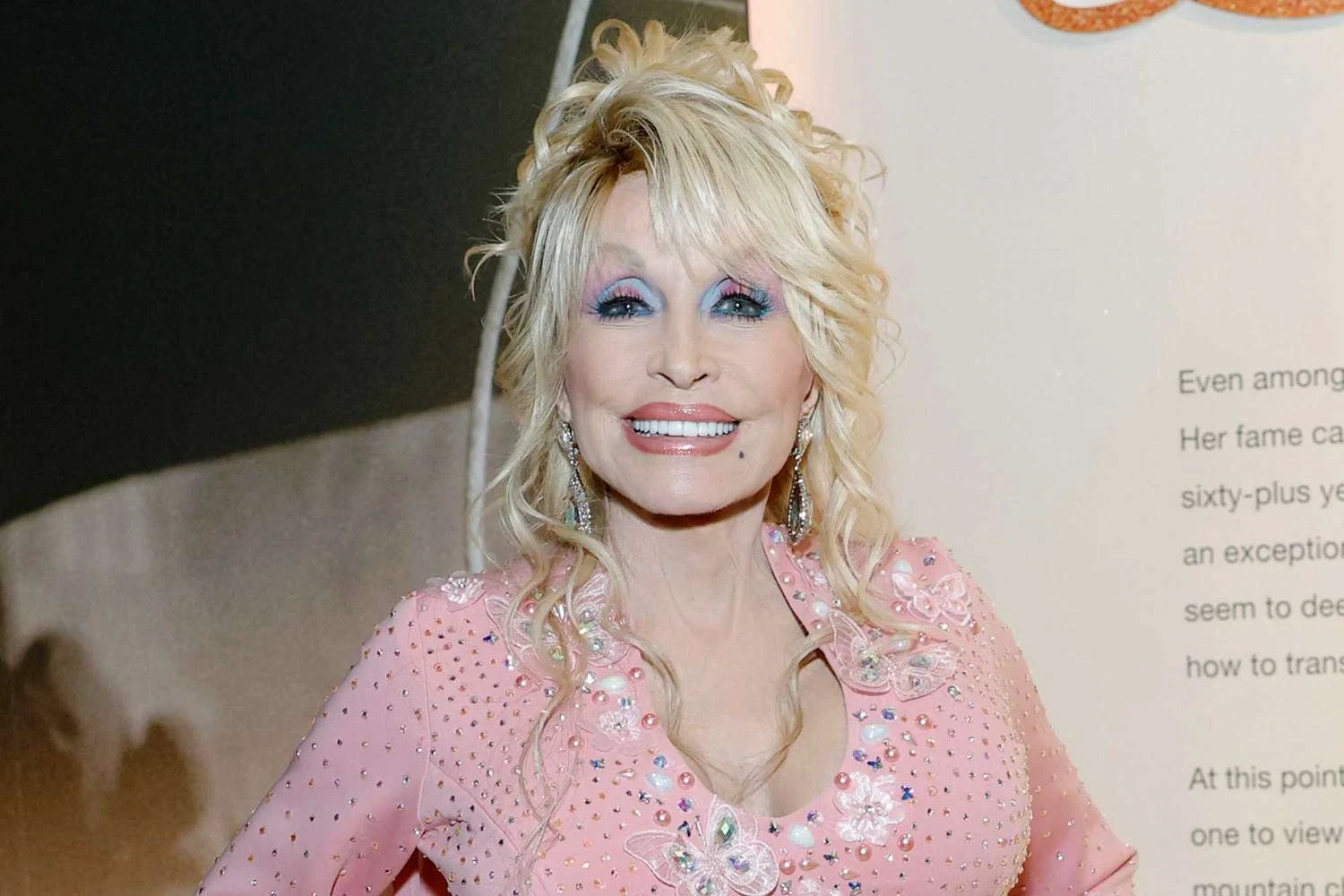
Juicy J shared that Dolly Parton, who was nominated in the same category, responded with a letter, a gesture he framed as gracious and memorable.
Parton is widely respected for her warmth and class, and a personal note to the group that beat her fits her reputation. The detail humanizes a competition that is often framed purely as winners and losers.
Why It Resonates
The story connects two very different corners of American music, Memphis rap and country legend, through a moment of mutual respect. It reinforces the idea that great artists across genres often recognize one another regardless of competition.
Juicy J sharing the letter now adds a new layer to a story fans thought they already knew, offering a glimpse of the sportsmanship behind a headline-making night.
The Legacy
Nearly two decades later, Three 6 Mafia's Oscar remains a proud milestone for Southern hip-hop and rap as a whole. The revelation of Dolly Parton's letter only enriches the legacy of that night, turning a competition into a story of respect between icons.
Why It Lands Right Now
Stories like this move quickly through the culture because audiences are invested in the people behind them, not just the news itself. Fans follow these figures across albums, seasons, and years, which turns a single announcement into a shared moment rather than a passing headline.
That connection is what separates a story people scroll past from one they actually talk about. The details matter, but so does the relationship the public has built with the person at the center. When those two things line up, the reaction is immediate and genuine.
For readers who follow these figures closely, this is another chapter in a longer story they have been watching unfold, and the interest rarely fades with a single post. The conversation tends to continue as more context arrives.
The response so far shows how much weight these moments carry for the audience that follows along. Whether the story grows from here or settles quietly, the initial reaction offers a clear read on where public attention is focused right now. That engagement is a reminder that the people at the center of these stories occupy real space in the culture, and their milestones and setbacks alike are treated as shared events by the fans who have followed them for years.