
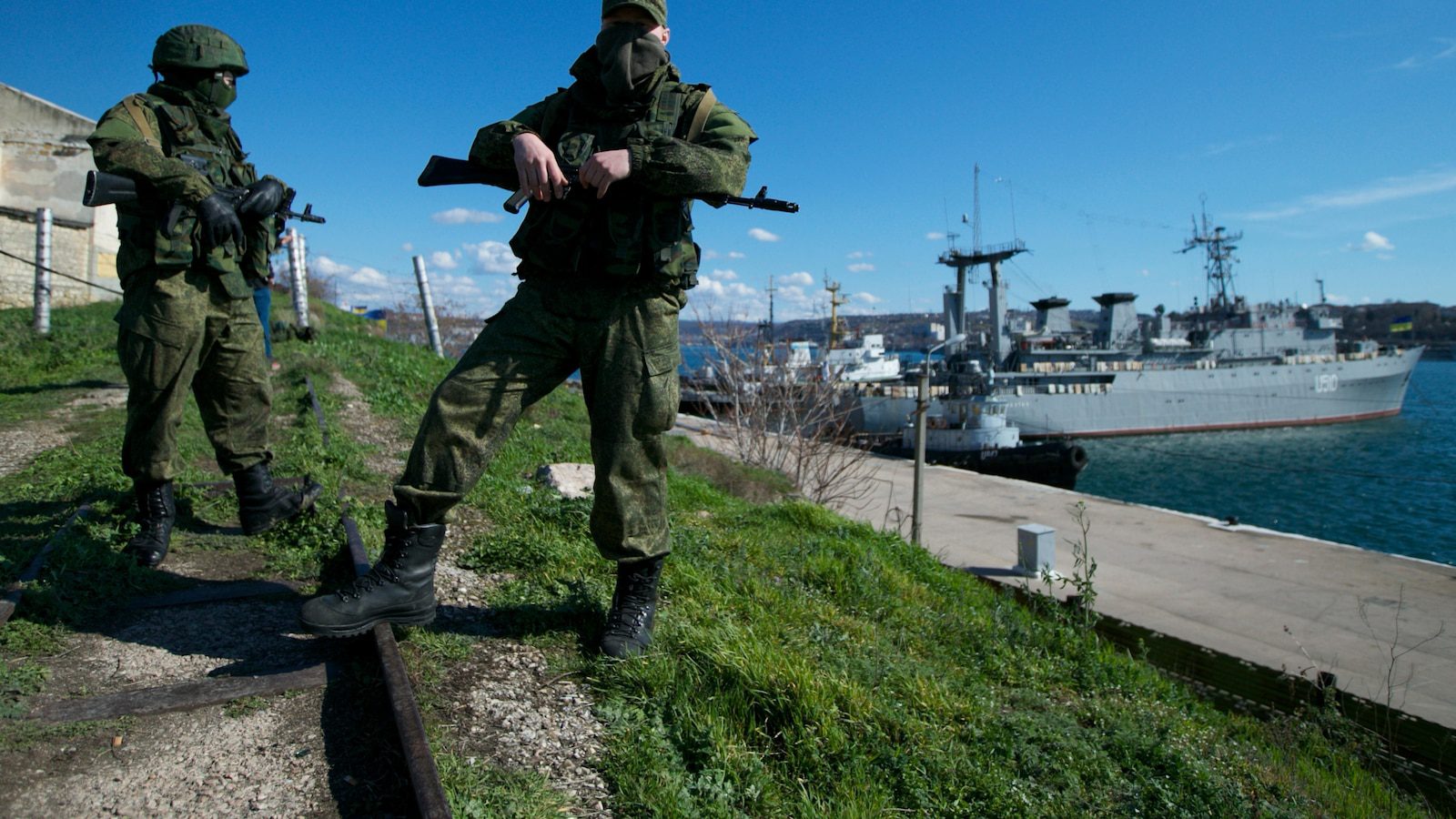

THE HAGUE, Netherlands, On Tuesday, the European Court of Human Rights declared that Russia had been accountable for several abuses of human rights in Crimea ever since it invaded and then unlawfully annexed the Black Sea peninsula in 2014.
In a lengthy written ruling, the European Court of Human Rights found that Moscow was in charge of restricting freedoms of assembly, speech, and religion, among other rights.
The Strasbourg-based court concluded that Russia had violated international humanitarian law by enforcing its laws on the occupied peninsula.
The court stated there was
The Full Story
“a pattern of retaliatory prosecution and misuse of criminal law and a general crackdown on political opposition to Russian policies in Crimea, which had been developed and publicly promoted by prominent representatives of the Russian authorities.”
Nonetheless, the decision might support lawsuits brought by people requesting compensation.
Moscow insists that it had the right to annex Crimea after a referendum in which a resounding majority of locals chose to leave Ukraine and join Russia. It has consistently refuted claims that there have been violations of human rights in the area.
What Happened Next
Crimea's annexation was denounced as illegal and the referendum was labeled a hoax by Ukraine and the majority of Western governments, including the United States, the United Kingdom, France, and Germany.
The court declared in a written decision that Russia was accountable for violations involving forced disappearances, mistreatment of Ukrainian soldiers, ethnic Ukrainians, Crimean Tatars, and journalists, among other things.
Additionally, it blamed Moscow for acts of discrimination such as intimidating and harassing religious leaders, suppressing the Ukrainian language in schools, repressing public gatherings and expressions of support for Ukraine, and clamping down on non-Russian media.
The Bigger Picture
The Strasbourg-based rights court's ruling on Tuesday follows a ruling by the top United Nations court six months prior, which found that Moscow had violated an international treaty on racial discrimination eradication by restricting school instruction in the Ukrainian language and by continuing to forbid the Mejlis, a Tatar representative assembly.
The ruling from the top European court carries significant legal and political implications for Russia and its relationship with the international community. The finding of fault establishes a legal precedent that could be cited in future cases and adds to the growing body of international legal decisions that hold Russia accountable for its actions. The ruling also provides a measure of justice for the victims and their families, even if enforcement of the court's decisions remains challenging given Russia's refusal to cooperate with international legal institutions.
The case is part of a broader pattern of international legal proceedings that have sought to hold Russia accountable for human rights violations and other transgressions. While the practical impact of such rulings is often limited by enforcement challenges, they serve an important symbolic function in establishing the legal record and affirming the principles of international law.