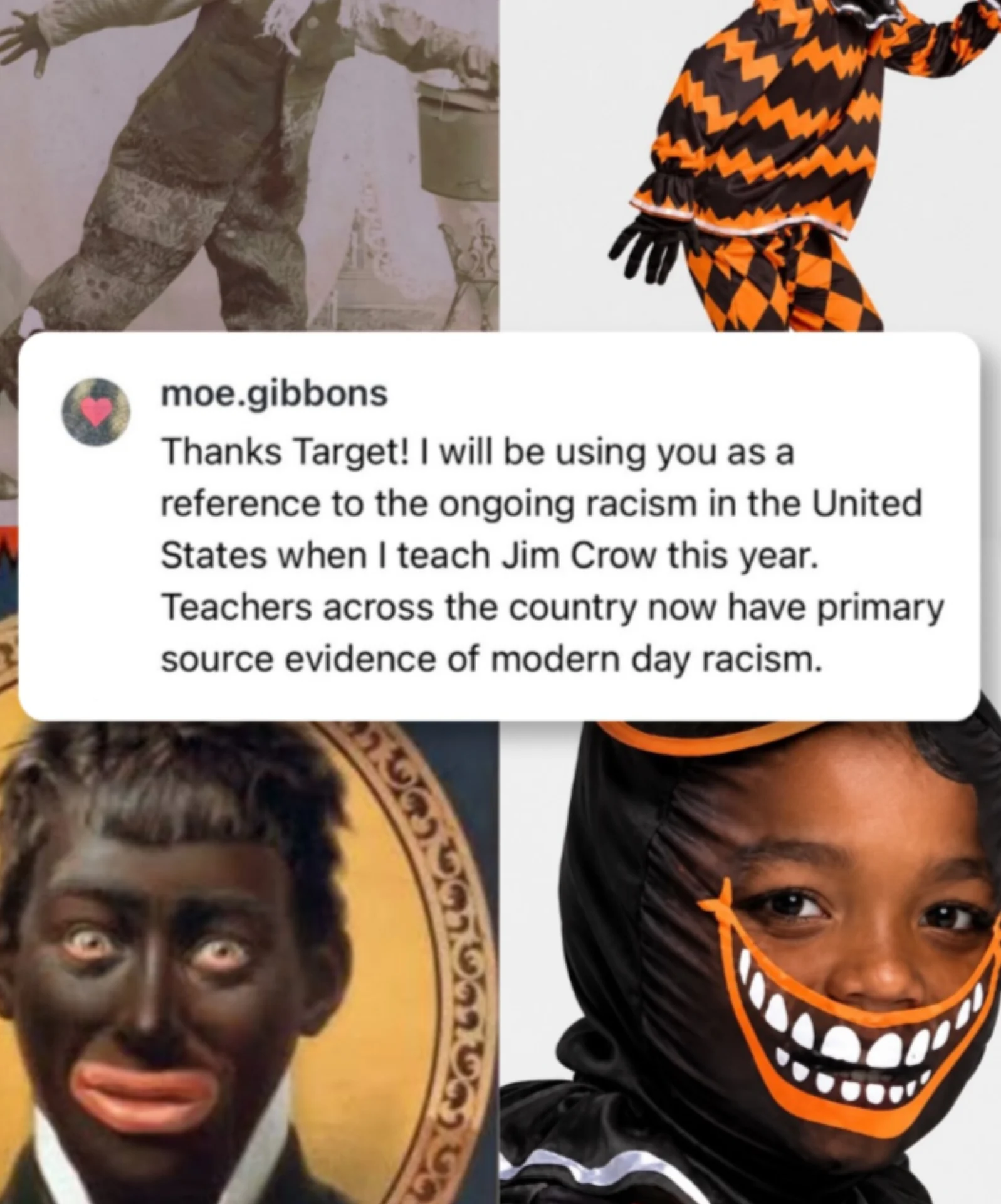
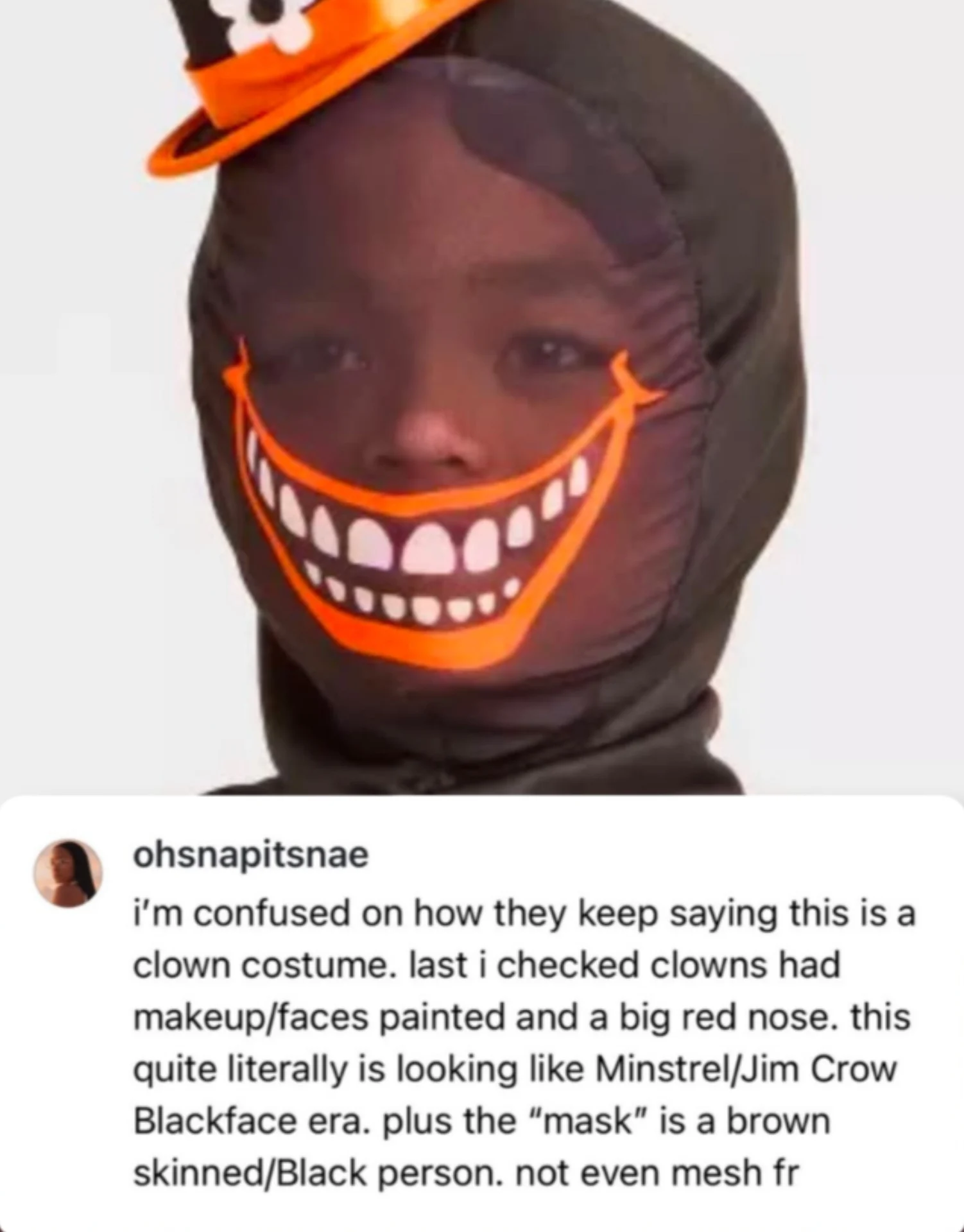
Target has removed a Halloween costume from its stores and website after customers pointed out that the design bore a disturbing resemblance to racist Black minstrel performers, sparking immediate backlash on social media and forcing the retail giant into damage control mode.
What Happened
The costume, which was part of Target seasonal Halloween inventory, drew criticism after shoppers noticed visual similarities to blackface minstrelsy, a deeply racist form of entertainment from the 19th and early 20th centuries that mocked and dehumanized Black people through exaggerated stereotypes.
Social media users began sharing photos of the costume alongside historical images of minstrel performers, with the visual comparison gaining rapid traction across platforms. The backlash was swift enough that Target acted within hours of the criticism going viral.
Target Response
Target pulled the costume and issued a statement acknowledging the concern without going into extensive detail about how the product made it through their internal review process. The company has faced similar controversies in the past around culturally insensitive products making it to store shelves despite what they describe as multi-level approval systems.
The speed of the removal suggests the company recognized the severity of the comparison immediately once it was flagged publicly. However, critics note that the product should have been caught before reaching consumers rather than requiring public outrage to trigger its removal.
The Larger Pattern
This is not the first time a major retailer has been forced to pull merchandise after customers identified racial insensitivity that internal teams missed. The pattern raises questions about who is in the room during product development and approval, and whether companies have adequate representation among the people making decisions about what reaches store shelves.
For Black consumers and advocates, these incidents represent more than individual product mistakes. They reflect systemic blind spots in corporate environments where the cultural literacy needed to catch these issues before they become public controversies remains insufficient despite years of diversity commitments and sensitivity training programs.
Target has not announced any changes to its product review process as a result of this incident.