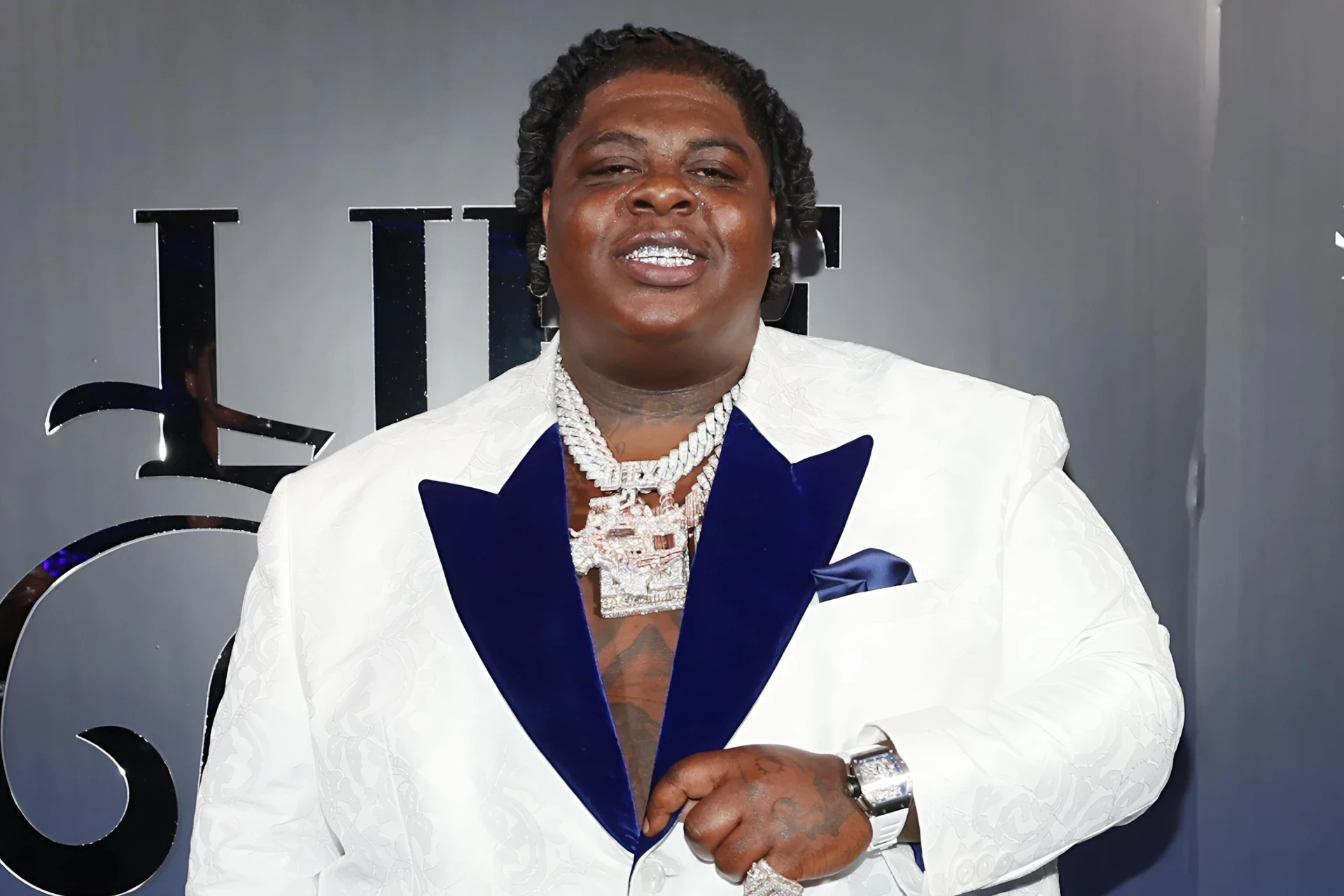


Master P responded forcefully to reports that LSU was planning to close its African American Cultural Center, calling for greater Black ownership of institutions and questioning why spaces built to serve Black students continue to face elimination while universities profit from Black athletes and culture.
The No Limit Records founder, who has deep ties to Louisiana and has been increasingly vocal about economic empowerment in Black communities, used the moment to make a broader argument about institutional investment rather than simply criticizing the university's decision.
What Happened at LSU
Reports emerged that LSU was considering closing or significantly reducing funding for its African American Cultural Center as part of broader budget restructuring. The center has served as a gathering space, resource hub, and community anchor for Black students on a campus where they represent a minority of the student population.
Master P said that every time budgets get tight, the first things they cut are the things that serve Black communities. He said the solution is not just fighting to keep these spaces open but building our own institutions that nobody can take away.
The decision drew immediate backlash from students, alumni, and community leaders who argued that the center provides essential support services and cultural programming that cannot be replicated elsewhere on campus. Student organizations have organized protests and petitions demanding the university reverse its position.
Master P's Economic Argument
Master P, whose real name is Percy Miller, has spent the past decade positioning himself as a business mentor and advocate for Black economic independence. His comments on the LSU situation extended beyond the specific center to address what he sees as a systemic pattern of underinvestment in Black cultural infrastructure.
He pointed to the revenue generated by Black athletes at LSU, particularly in football and basketball, and questioned how a university that benefits so directly from Black talent could justify eliminating a center designed to support Black student life. The argument connects athletic labor to institutional responsibility in ways that resonate with broader NIL-era conversations about who benefits from college sports.
A Pattern Across Universities
The LSU situation is not isolated. Universities across the country have faced similar controversies as diversity-related programs face political pressure and budget scrutiny. Cultural centers, diversity offices, and targeted student support programs have been reduced or eliminated at multiple institutions in recent years.
For Master P, the solution lies in Black communities building parallel institutions rather than relying on universities that have historically demonstrated inconsistent commitment to Black student support. His argument echoes themes he has promoted through his various business ventures and media appearances focused on economic empowerment.
LSU has not issued a final decision on the center's future. University officials have stated that all budget decisions are still under review and that student input will be considered in the process.