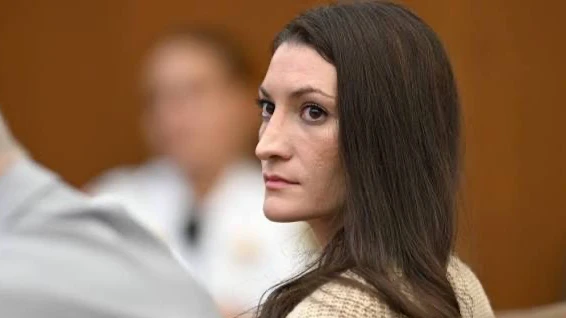

The trial of Lindsay Clancy, the Massachusetts mother accused of killing her three children in January 2023, has ignited an international conversation about maternal mental healthcare as millions follow the proceedings in real time and social media theories about the case reach a fever pitch.
What Is Happening In Court
The trial is entering its final stages in Plymouth County with both prosecution and defense presenting radically different narratives about what happened and why. Prosecutors argue the act was deliberate, premeditated, and planned while her husband was out of the house running an errand she specifically requested. They say she was aware of her actions and made conscious choices throughout.
The defense has centered its entire case on severe postpartum mental illness exacerbated by rapid medication changes in the weeks leading up to the tragedy. Defense attorneys argue Clancy was failed by a healthcare system that prescribed, adjusted, and switched multiple psychiatric medications in a short window without adequate monitoring of her deteriorating mental state.
The Social Media Firestorm
Viewers following the trial on social media have split into sharply divided camps, and the debate has grown more intense as the trial approaches its conclusion. One side argues the case exposes catastrophic failures in how the American medical system treats postpartum mental health crises, particularly around medication management, provider follow-up, and the dismissal of warning signs reported by patients themselves.
The other side rejects the mental health framing entirely, viewing it as an attempt to excuse acts that nothing can justify regardless of the defendant mental state. This camp argues that millions of women experience postpartum depression without harming their children, and that using mental illness as a defense disrespects both the victims and other mothers struggling with similar conditions.
Conspiracy theories have also proliferated in the space between these two positions. Some users obsess over specific medication timelines, others question whether certain details of the prosecution case add up, and still others have constructed elaborate alternative theories that mental health professionals say are unsupported by evidence.
The Larger Question
Regardless of what the jury decides, this trial has forced a public reckoning with how America handles maternal mental health. Advocates for reform point to Clancy well-documented history of seeking help repeatedly in the weeks before the tragedy. She contacted providers, expressed distress, and flagged her own declining condition. The system acknowledged her concerns and adjusted medications but allegedly failed to provide the intensive monitoring that such rapid changes required.
That pattern resonates with millions of women who have experienced postpartum mental health crises and felt their concerns were minimized, rushed through, or addressed with prescription changes rather than comprehensive care plans.
What Comes Next
The jury is expected to begin deliberations soon. Whatever verdict they reach, the conversation this case generated about postpartum healthcare, medication management, and the gap between seeking help and actually receiving adequate treatment will continue long after the courtroom empties.