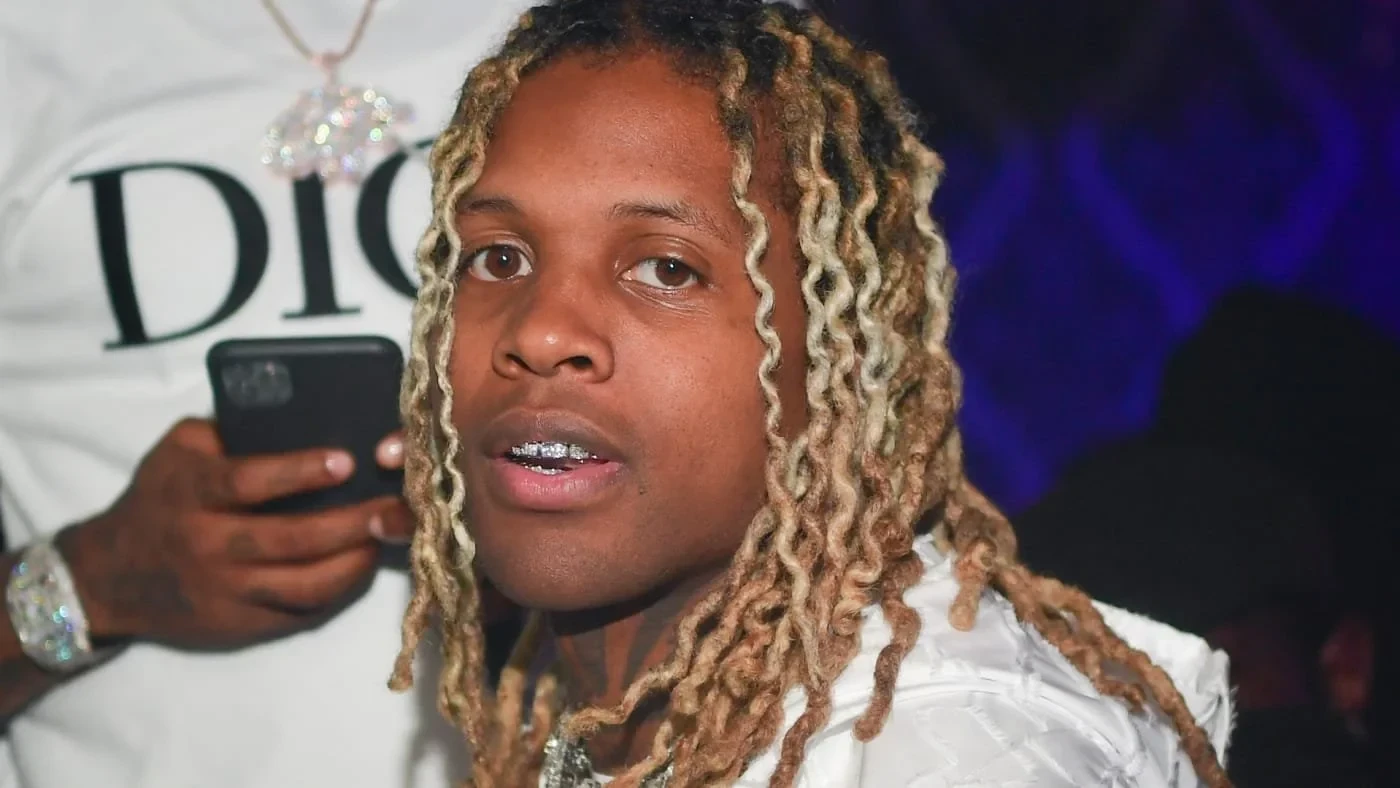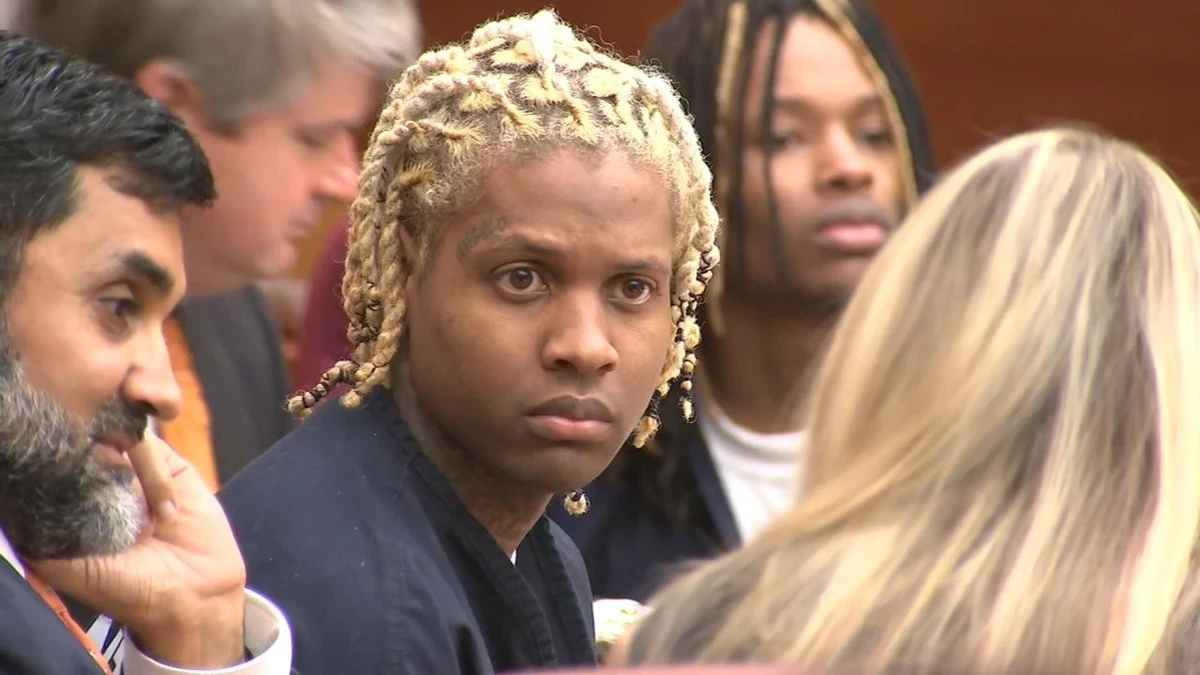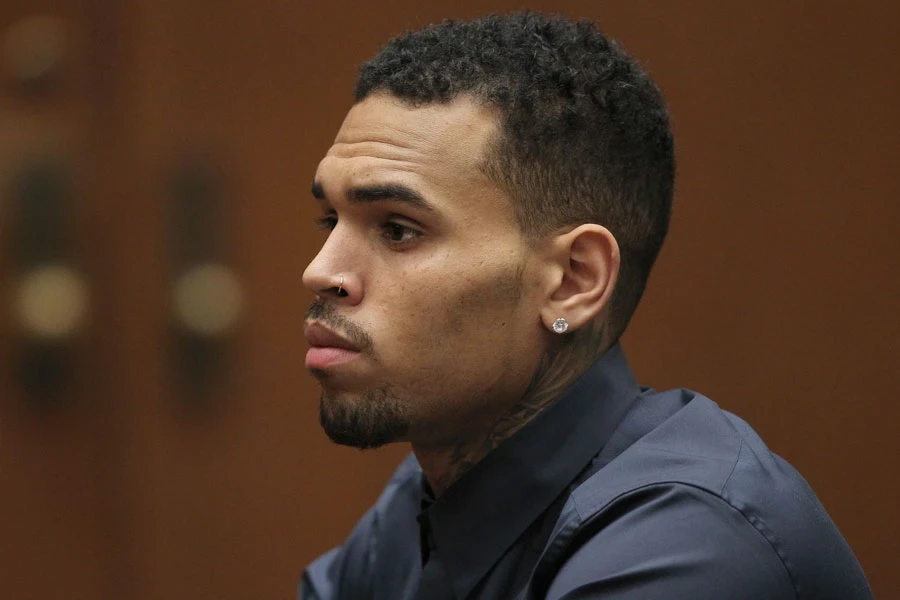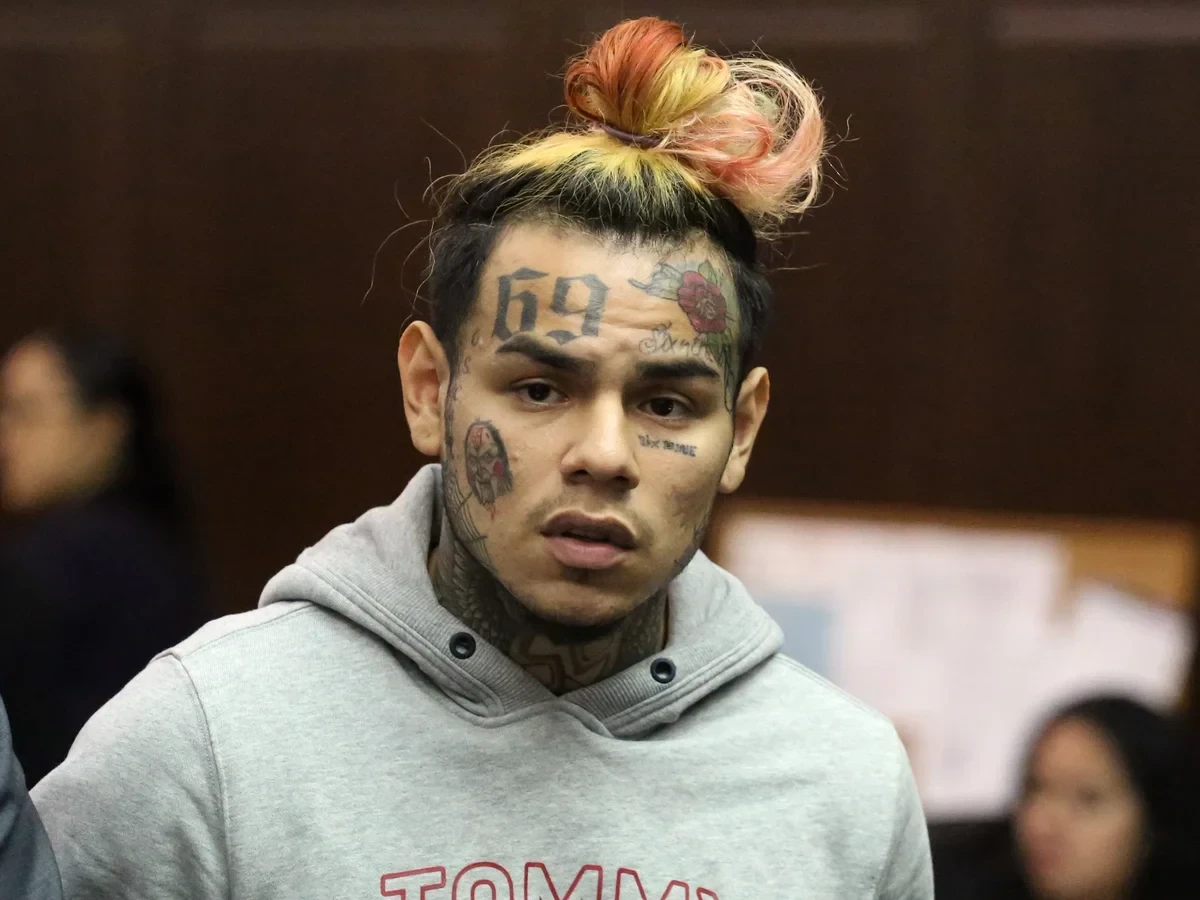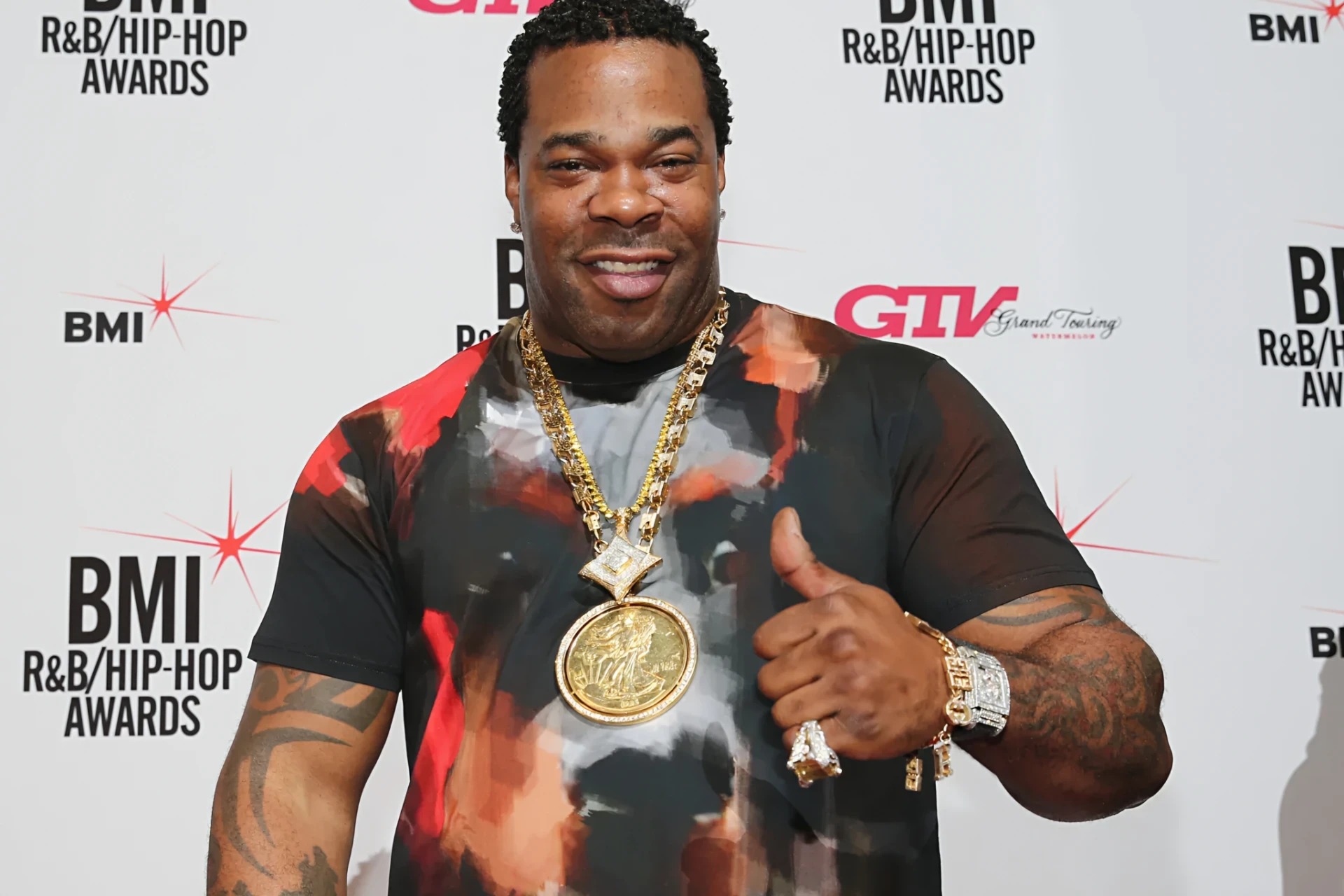
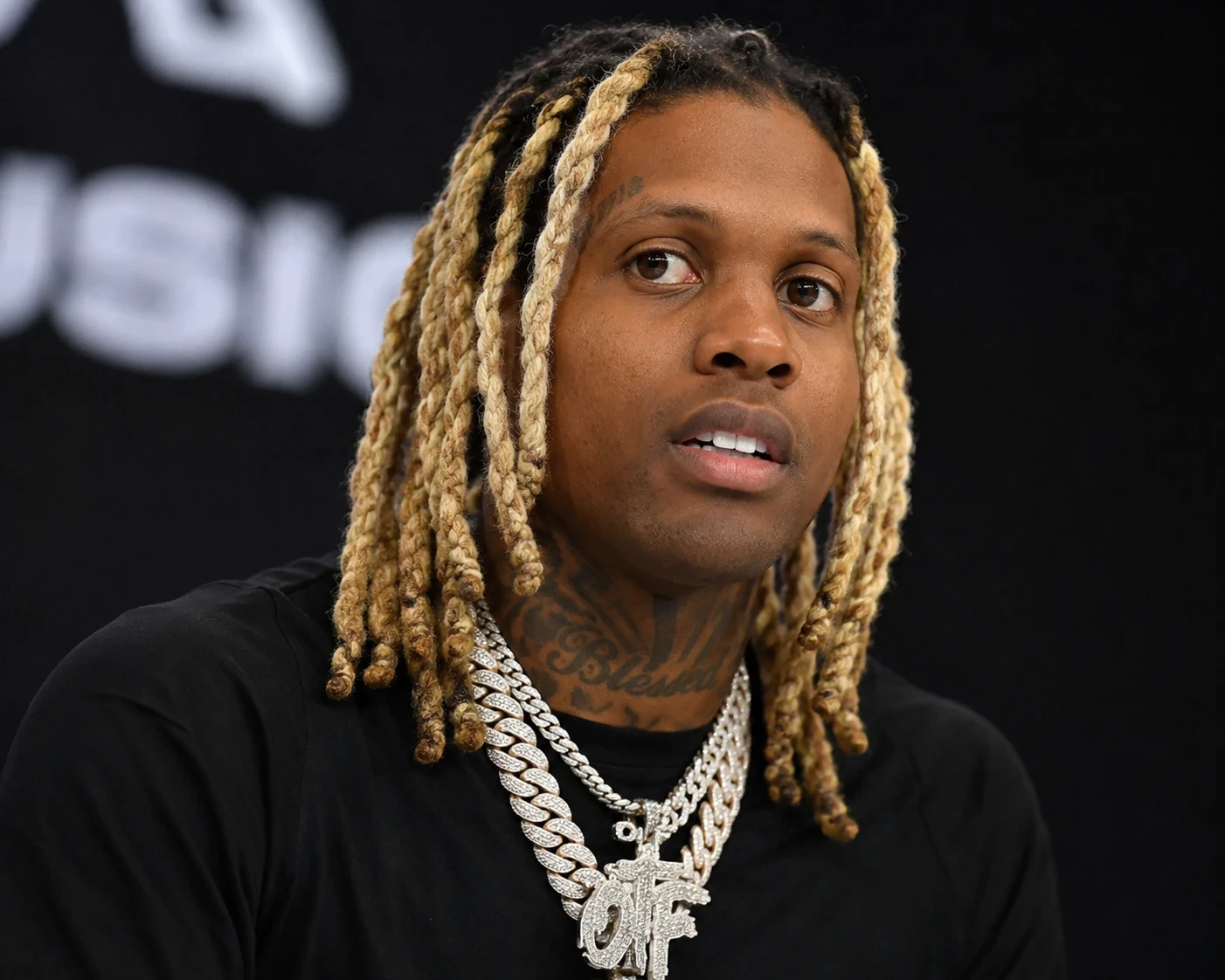

Over two weeks of testimony, the federal case against recording artist Durk Banks and co-defendants Deandre Dontrell Wilson and David Brian Lindsey unfolded in a Los Angeles courtroom. The Talk Lounge read the official reporter's transcripts covering August 24 through September 3, 2026, to piece together how the trial has progressed. Everything below is drawn from the court record.
The case, captioned United States v. Grant, is being heard in the United States District Court for the Central District of California before the Honorable Michael W. Fitzgerald. All three defendants are presumed innocent, and the trial is ongoing with no verdict reached. Nothing here should be read as a finding of guilt.
How The Government Framed Its Case
In its opening presentation, the government told jurors the trial centered on an organization prosecutors referred to as “Only the Family,” or OTF. “You are going to hear that throughout this trial, OTF,” a prosecutor said, per the transcript, adding that “this case is not about music.”
Prosecutors said the evidence would include travel records flight bookings for people traveling “from Chicago to Los Angeles” and argued that one defendant “tried to distance himself” from those arrangements. The defense, for its part, urged jurors to withhold judgment: “When a cooperating witness gets on that stand to talk about my client, David, do one thing for me: wait for the record that backs them up.”
The Evidence Phase
The middle days of the trial were built on records and law-enforcement testimony. A records custodian from the Los Angeles Police Department described locating and archiving relevant records, and a series of FBI special agents identified in the transcript as Agents Farmby, Jaung, Cody, and Burke walked jurors through the investigation.
Prosecutors presented digital evidence including GPS data tied to a vehicle, text messages, and purchase records. Jurors were shown video on multiple days, with the transcript repeatedly noting that footage was played in the courtroom. Attorneys questioned witnesses about what the government called a “suspect vehicle” and about financial records the government said were used to book travel.
The Cooperating Witnesses
The government's case leaned heavily on cooperating witnesses people who testified while facing their own legal exposure. The transcript identifies witnesses including one referred to as Jerome Hester, who was questioned at length about the alleged planning and travel.
The defense made those witnesses' credibility a central battleground. “This cooperating witness has spoken on the telephones. He has said things that are not truthful,” one defense attorney argued. On a later day, a witness identified as Ms. Dangerfield was asked her opinion of Hester and answered flatly: “He's not truthful at all. He's a manipulator.”
“When a cooperating witness gets on that stand to talk about my client, do one thing for me: wait for the record that backs them up,” the defense told jurors early in the trial — a theme it returned to repeatedly.
The Arrest And The Defense Response
On Day 11, FBI Special Agent Goepel described the arrest. “I received a phone call authorizing the arrest of Mr. Banks,” the agent testified, and then “a text notification that Mr. Banks had been manifested on a Qatar Airways flight out of Miami International Airport destined to Dubai.”
The defense previewed a witness it planned to call: Shekema Springfield, described by attorney Mr. Findling as “a captain in the United States Army” and the mother of the young son of Dayvon Bennett, the person at the center of the case. The defense said she would address points raised by the government's witnesses, including an account of relocating from Chicago to Atlanta.
The Legal Battles Behind The Scenes
Away from the jury, the attorneys and Judge Fitzgerald repeatedly fought over what evidence could be admitted — in particular whether certain actions could be characterized as “consciousness of guilt.” The judge weighed each dispute carefully, at times allowing testimony rather than forcing an agent to be recalled, and explaining his reasoning to the attorneys before the jury returned.
Throughout, the judge issued firm instructions to jurors about avoiding outside information. “A juror who violates these restrictions jeopardizes the fairness of these proceedings, and a mistrial could result that would require the entire trial process to start over,” he warned.
Where Things Stand
As of the most recent transcript, the trial remains in progress. The government has presented its records, its agents, and its cooperating witnesses; the defense has attacked those witnesses' reliability and begun presenting its own account. How the jury weighs cooperator testimony against the physical and digital evidence and how the remaining witnesses land will shape the outcome.
The Talk Lounge is reporting strictly from the official trial transcripts and will continue to follow the proceedings. Again, all three defendants are presumed innocent unless and until proven otherwise. This breakdown is drawn from the official reporter's transcripts of the jury trial filed in the Central District of California.