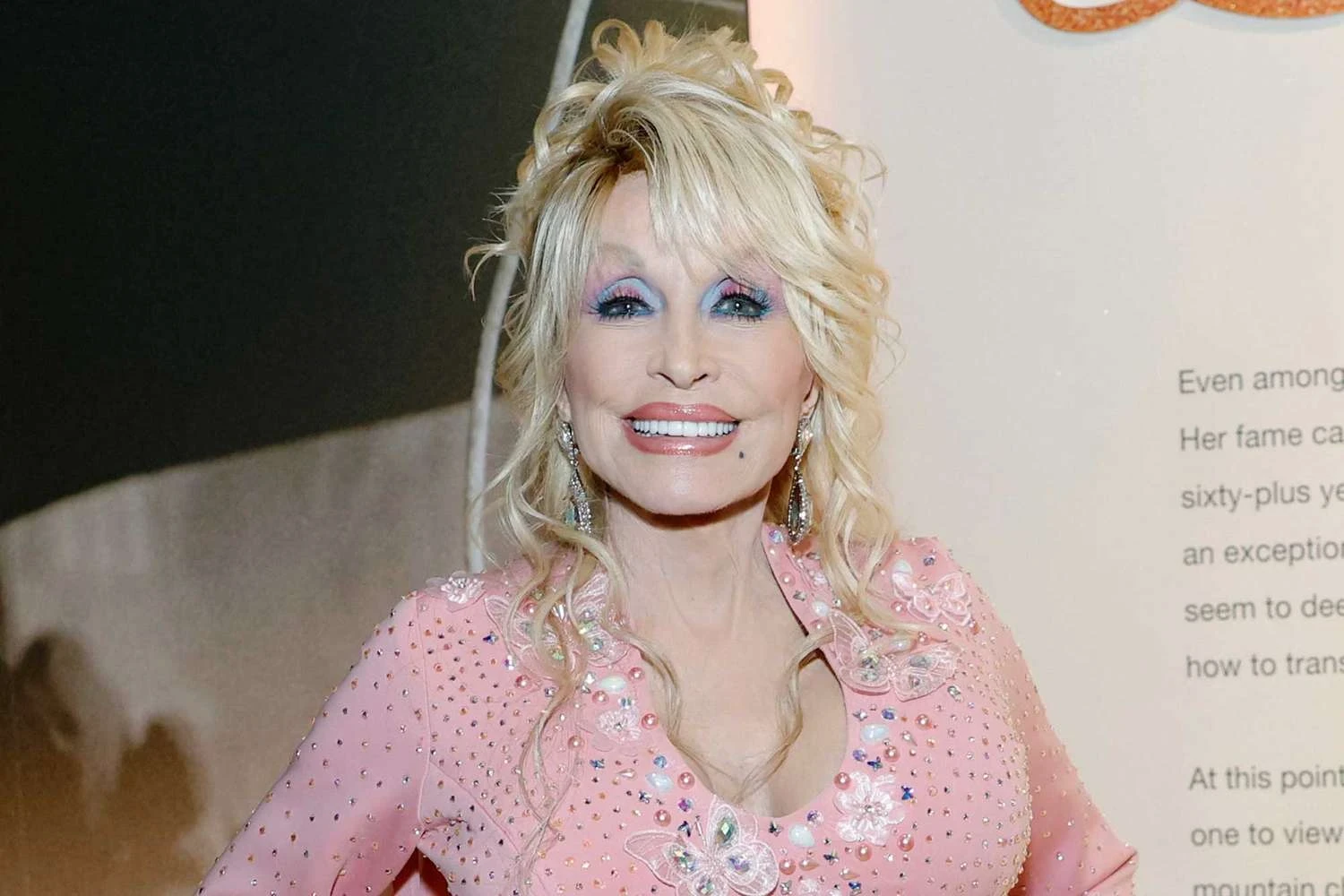

Dolly Parton, the legendary singer, songwriter, actress, and philanthropist whose career spanned six decades and redefined what was possible for women in country music and entertainment, has passed away at age 80. Her family confirmed her passing on Tuesday, stating she died peacefully in Nashville.
A Legacy Beyond Music
Parton sold more than 100 million records across a career that began in the 1960s and never stopped evolving. Songs like Jolene, I Will Always Love You, 9 to 5, and Coat of Many Colors became part of the American songbook, covered by artists across every genre and generation. Whitney Houston version of I Will Always Love You became one of the best-selling singles of all time, with Parton retaining the publishing rights and earning tens of millions from a song she wrote in minutes.
Beyond music, she built Dollywood into one of the most successful theme parks in the country, starred in beloved films including 9 to 5 and Steel Magnolias, and became one of America most generous philanthropists. Her Imagination Library has given over 200 million free books to children worldwide since its founding in 1995.
Her Final Year
Parton had faced health challenges in the final year of her life following the March 2025 passing of her husband of 57 years, Carl Dean. She canceled her Las Vegas residency earlier this year to focus on recovery, though she reassured fans at the time that her ailments were treatable.
Just four days before her passing, she shared a health update acknowledging her decline while expressing that she still had many things she wanted to achieve. Her family has not disclosed a specific cause of passing.
The Cultural Impact
Dolly Parton influence extended far beyond country music. She broke barriers as a woman who controlled her own career, owned her own publishing, built her own businesses, and maintained creative independence in an industry that routinely denied all of those things to women of her generation. She did it while refusing to compromise her identity or apologize for her appearance, her accent, or where she came from.
For Black artists and communities, Parton stood apart from many of her country music peers through consistent action. She donated one million dollars to COVID vaccine research at Vanderbilt, funded literacy programs that disproportionately served communities of color, and repeatedly refused to let her name be associated with Confederate imagery or politics that many Nashville institutions embraced.
Tributes Pouring In
Tributes have been flooding in from across the entertainment world, politics, and everyday people whose lives she touched through her philanthropy. From presidents to fellow musicians to the children who received free books from her Imagination Library, the response reflects the rare position Parton occupied in American life: universally beloved across political, racial, and generational lines in an era when almost nothing else is.
She is survived by her siblings and extended family. Funeral arrangements have not been publicly announced.